Resistant Tapioca Starch
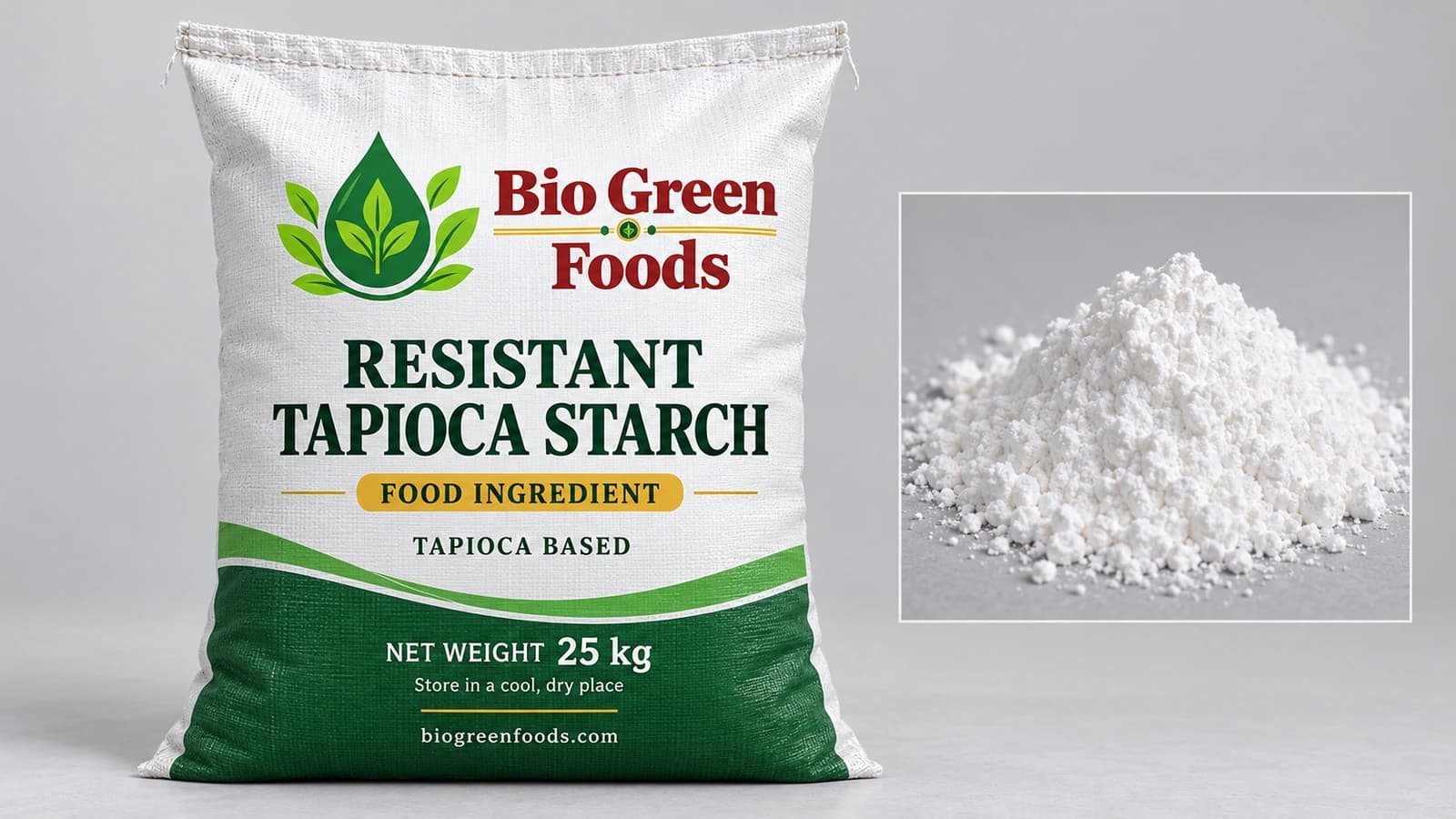
About This Product
Resistant starch is starch that is not broken down by amylase in the small intestine and reaches the colon intact, where it is fermented by the gut microbiota. Nutritionally it behaves as dietary fibre rather than as available carbohydrate, and it is measured and declared as fibre under the standard analytical methods.
Resistant starches are classified by why they resist. RS2 is native granular starch whose crystalline packing blocks enzyme access; RS3 is retrograded starch, where amylose has re-associated after cooking into a form amylase cannot open; RS4 is chemically modified starch, typically cross-linked with phosphate, where the substituents physically obstruct the enzyme. Commercial tapioca resistant starches are usually RS4 or RS3, and the type determines how much of the resistance survives cooking: RS4 is thermally robust and survives baking and extrusion, while RS2 largely gelatinises away.
The formulation argument for it is almost entirely about what it does not do. Bran raises fibre but brings colour, flavour and grittiness. Inulin and polydextrose raise fibre but draw water, soften structure and, at useful doses, cause gastrointestinal complaints. Resistant tapioca starch is white, bland and binds comparatively little water, so it can replace a meaningful share of flour, typically in the region of ten to thirty per cent depending on the product, with a far smaller penalty in volume, crumb and bite. For a baker trying to reach a source-of-fibre or high-fibre claim without rebuilding the recipe, that is the whole proposition.
It also lowers the glycaemic response of the finished product, because the starch it replaces would otherwise have been digested to glucose, and the colonic fermentation it supports produces short-chain fatty acids, principally butyrate, which is the basis of the gut-health positioning used in this category.
Bio Green Foods supplies resistant tapioca starch in 25 kg bags. Total dietary fibre by the declared analytical method, resistant starch type, thermal stability, water binding and particle size are confirmed on the agreed specification and on the batch certificate of analysis. Any nutrition or health claim must be checked against the rules of the destination market before use. It is gluten free and non-GM.
Specifications
Applications
Packaging Options
- 25 kg bag
Indicative price: $2.50–4.50/kg
Indicative bulk guide only. Prices are market-linked and updated regularly - please request a quote for current pricing and volume rates.


Start with the recipe and the market
- Finished food, target function and process conditions
- Required grade, physical form and critical limits
- Destination market and permitted-use requirements
- Quantity, packaging and delivery destination
Confirm the evidence before ordering
Food-grade identity alone does not establish permission for every food or country. Confirm permitted use, limits and labelling requirements for the intended market. Certification availability must be checked for the nominated product and manufacturing site.
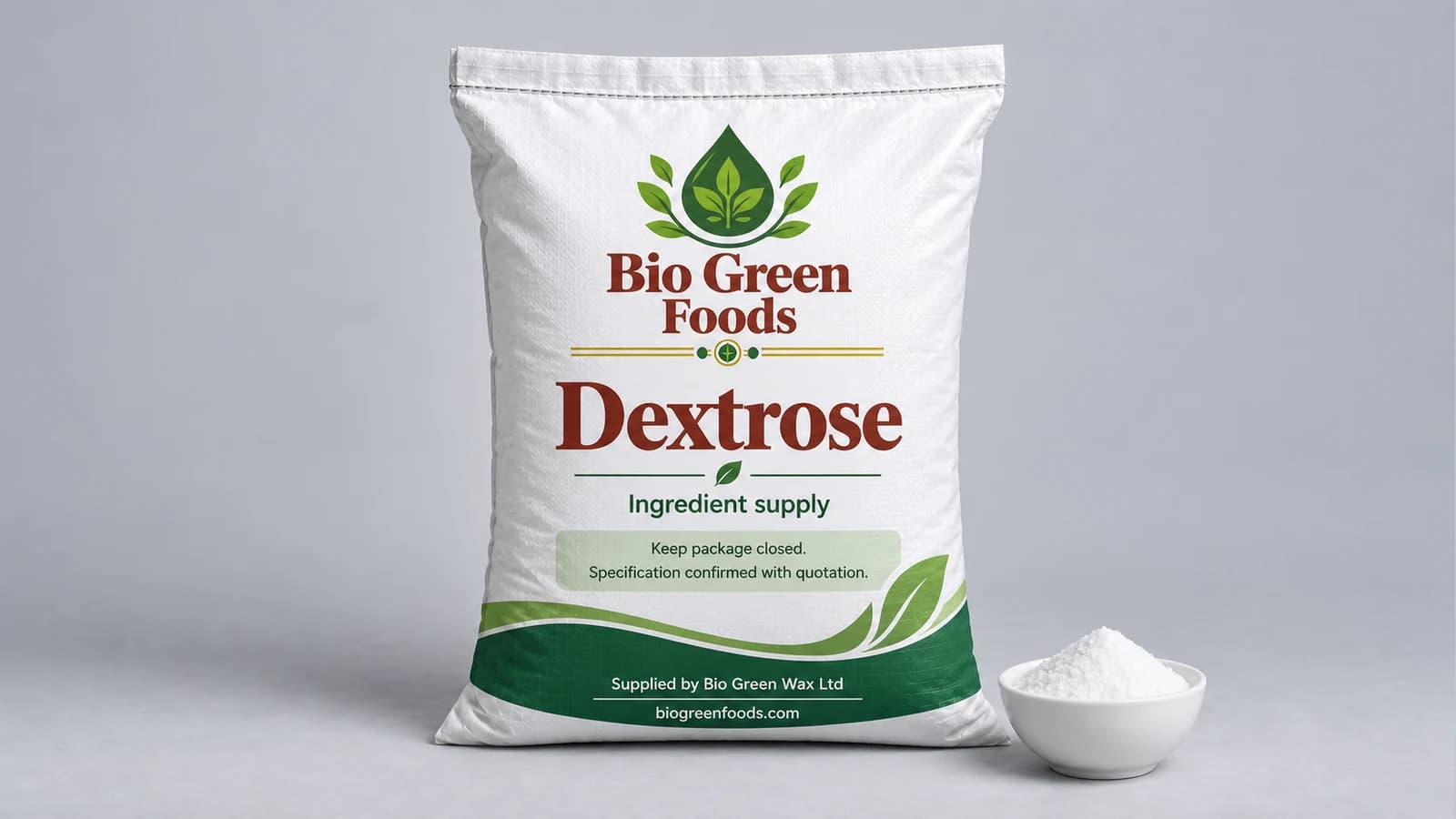
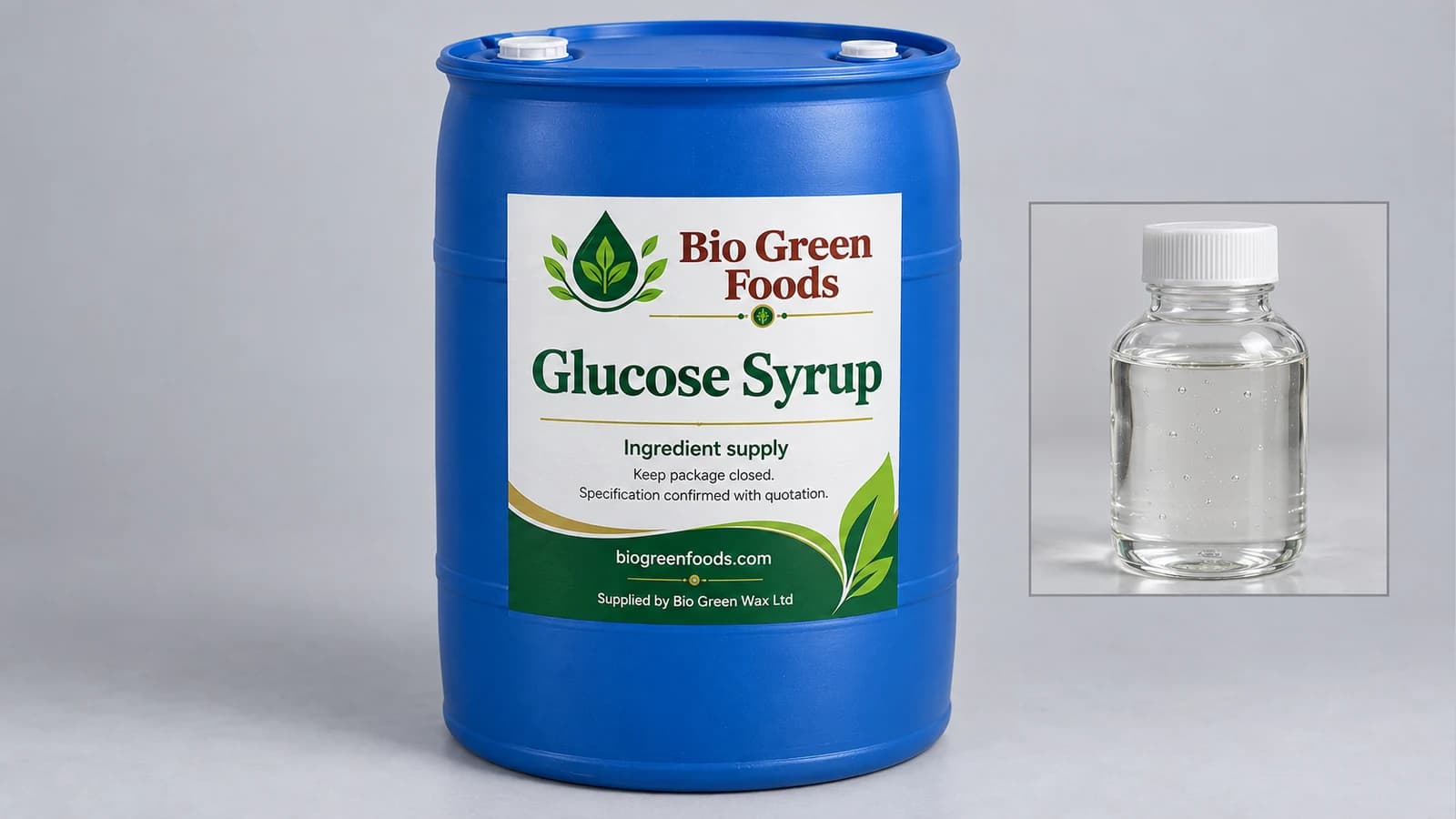
Product illustrations show representative material and packaging. The quotation confirms the actual source, grade, pack size and labelling.
Review documentation